


MAINTENANCE
Why Seasonal Tune-Ups Matter
Seasonal tune-ups help prevent breakdowns, improve energy efficiency, and extend the life of your system. Skipping routine maintenance can lead to higher utility bills, unexpected repairs, and even premature replacement of your equipment.
A professional HVAC tune-up ensures your system is clean, safe, and ready to handle the upcoming season. Most experts recommend two visits per year: one in the spring before cooling season, and one in the fall before heating season.
What Technicians Do During a Tune-Up
When a technician visits your home for a seasonal HVAC tune-up, they perform a series of inspections, cleanings, and adjustments. Here’s what’s typically included:
1. Inspecting and Cleaning Components
Your technician will check and clean vital parts such as coils, burners, and the blower motor. Dust, dirt, and debris can reduce efficiency and cause wear on your system.
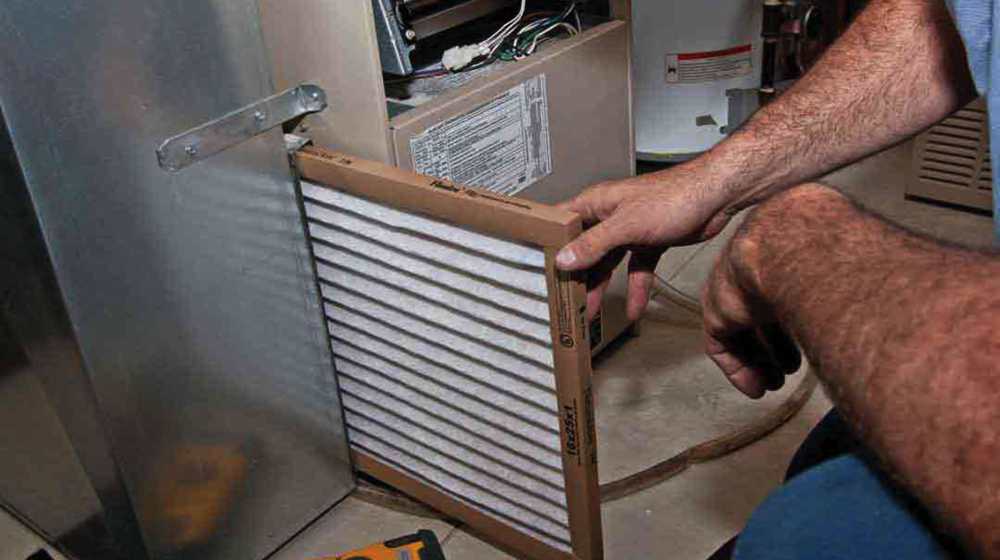
2. Checking the Air Filter
Air filters are inspected and replaced if needed. A dirty filter restricts airflow, forces the system to work harder, and lowers indoor air quality.
3. Testing System Controls and Thermostat
The thermostat is tested for accuracy, and system controls are inspected to ensure safe and proper operation. This step helps your system run smoothly without cycling issues.
4. Inspecting Electrical Connections
Loose or corroded connections can be dangerous and reduce system efficiency. Technicians will tighten and secure all electrical connections.
5. Lubricating Moving Parts
Motors and fans are lubricated to reduce friction. This keeps parts moving freely, lowers energy consumption, and prevents premature wear.
6. Measuring Refrigerant Levels (for AC/heat pump systems)
Refrigerant levels are checked to ensure your system is properly charged. Low refrigerant can cause your unit to freeze up or struggle to cool your home.
7. Checking Fuel Connections (for furnaces)
For gas furnaces, technicians will inspect gas lines, burners, and the heat exchanger for leaks or cracks. This step is crucial for both safety and efficiency.
8. Testing System Performance
Finally, your HVAC system is tested to ensure it’s cycling correctly and producing the right amount of heating or cooling. This performance check ensures your system is ready for the season ahead.
The Benefits of Regular Tune-Ups
Seasonal maintenance isn’t just a checklist; it brings real benefits to your home:
Lower energy bills through improved efficiency
• Fewer unexpected breakdowns
• Longer equipment lifespan
• Safer operation, especially for gas furnaces
• Improved indoor air quality
Why Professional Tune-Ups Are Worth It
Some homeowners try to handle HVAC maintenance on their own, but professional tune-ups are more thorough. Licensed technicians have the training and tools to catch small issues before they turn into expensive repairs.
JOIN THE DAVIS
Includes our Seasonal Tune-ups + additional benefits
Call us for details.
